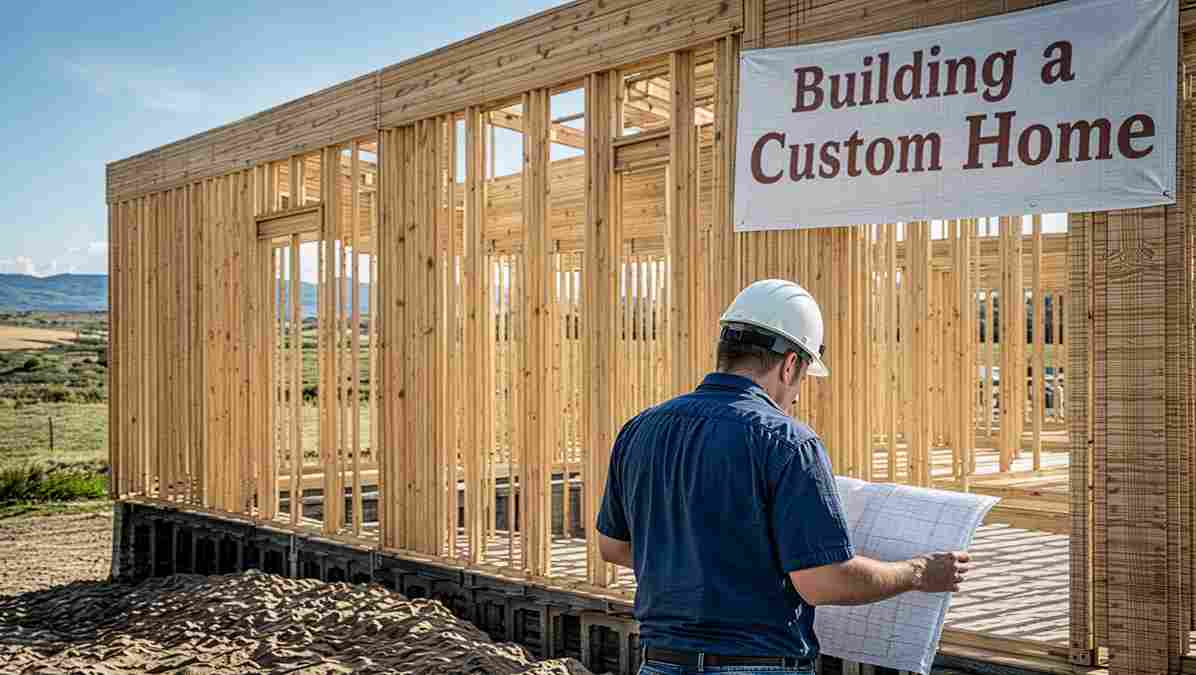
Building a custom home is an exciting way to create a living space that fits your lifestyle, preferences, and long-term goals. For those considering the Atlanta area, understanding the local environment, regulations, and design considerations can make the process smoother and more rewarding.
Understanding the Local Landscape
The Atlanta area offers a mix of urban energy and natural beauty. The region’s rolling hills, mature trees, and varied neighborhoods provide many opportunities for distinctive home designs. However, the terrain can also affect foundation choices, drainage, and landscaping plans, so early site evaluation is essential.
Choosing the Right Builder
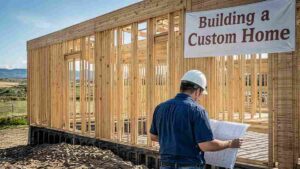
Selecting an experienced custom home builder is one of the most important decisions in the process. A professional builder will help translate your vision into technical plans, navigate local codes, and coordinate the many skilled trades involved in construction.
When interviewing potential builders, consider their communication style, past projects, and familiarity with the area’s permitting requirements. Transparent timelines and budgets contribute to a smooth collaboration.
Permits and Zoning Requirements
Before construction begins, homeowners must secure the proper permits and adhere to zoning laws. Regulations vary across counties and neighborhoods, covering aspects such as lot setbacks, building height, and environmental impact. Working with professionals who understand these rules prevents costly delays and revisions.
Design Considerations for Comfort and Efficiency
Climate plays a major role in design choices. Atlanta’s warm summers and mild winters encourage energy-efficient strategies such as proper insulation, high-performance windows, and shaded outdoor living areas. Incorporating natural ventilation and durable materials helps maintain comfort year-round.
Integrating Sustainable Features
Many homeowners are interested in sustainability. Energy-efficient appliances, solar-ready roofs, and water-saving fixtures can reduce long-term costs and environmental impact. Thoughtful design also ensures that natural light and airflow support a healthy indoor environment.
Budget Planning and Cost Management
Even with detailed planning, costs can fluctuate based on materials, labor availability, and site conditions. Establishing a comprehensive budget that includes contingencies for unexpected expenses helps keep the project on track. Regular progress reviews with your builder make financial management more predictable.
Interior and Exterior Style Choices
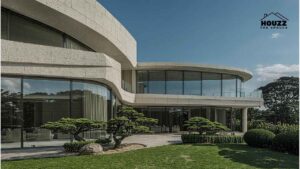
The Atlanta area embraces diverse architectural styles, from classic Southern charm to sleek modern designs. Your home’s style should reflect both personal taste and the surrounding neighborhood’s character. Blending regional materials and textures often enhances visual harmony and long-term value.
Outdoor Living Spaces
Outdoor living areas are increasingly important for comfort and entertainment. Decks, patios, and screened porches extend the usable space and connect the home to its natural surroundings. Selecting durable finishes ensures these areas remain functional through seasonal changes.
Comparing Regional Building Styles
While the Atlanta area has its own architectural influences, lessons from other regions can inspire fresh ideas. For example, the design principles found in florida coastal homes highlight the importance of natural light, ventilation, and resilient materials—features equally valuable in Georgia’s changing climate.
Preparing for a Successful Build
A successful custom home project requires clear communication, careful planning, and patience. By understanding local conditions, selecting the right professionals, and maintaining realistic expectations, homeowners can create a space that reflects their personality and enhances everyday living.