Exterior shutters have long been a defining feature of residential architecture. They frame windows, introduce color, and add texture that enhances both traditional and modern homes. The right choice of material and style can completely transform a façade, creating a strong first impression and complementing the home’s architectural identity.
Visual Impact of Shutters on Curb Appeal
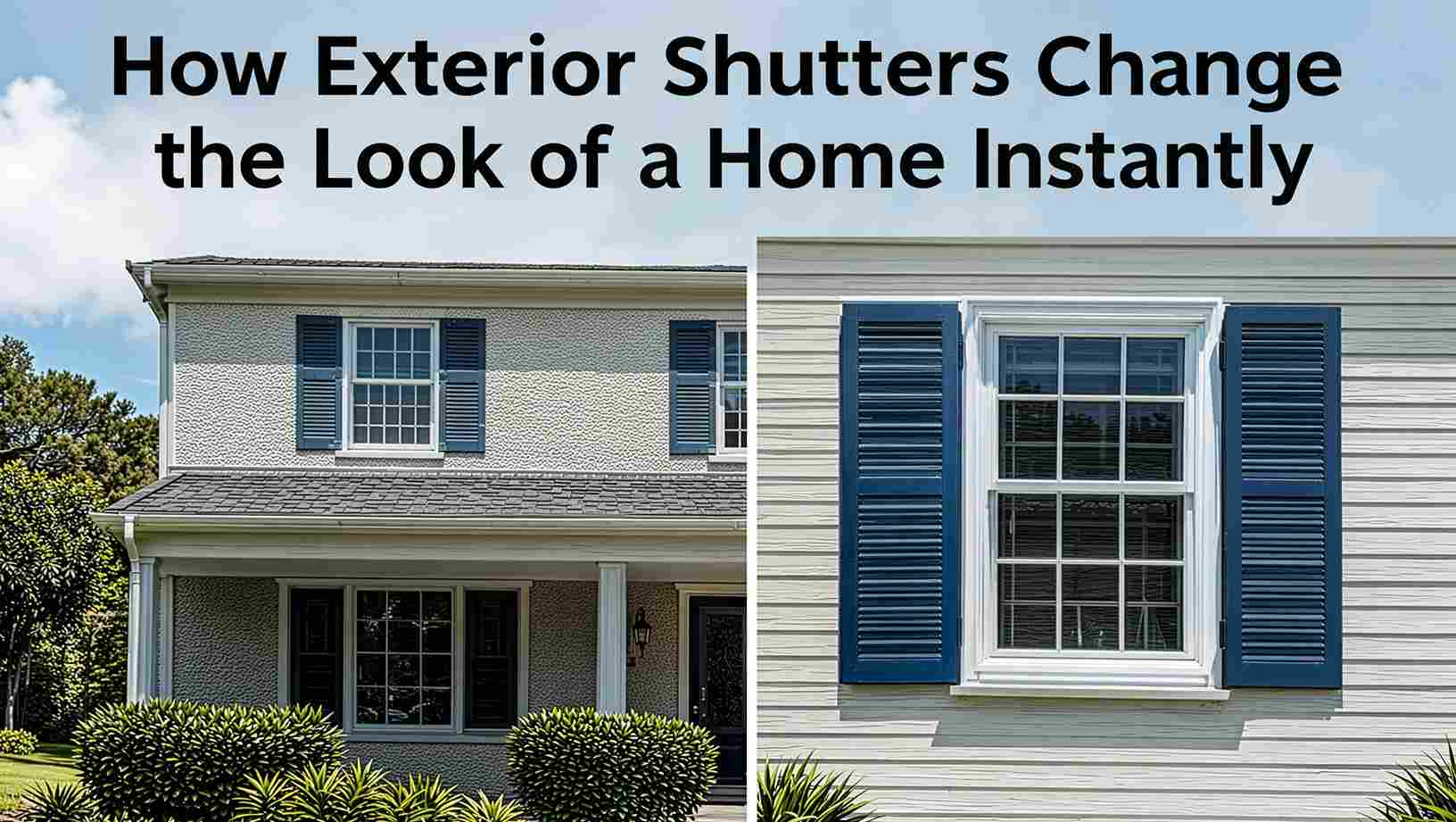
Shutters act as visual anchors around windows, giving depth to flat surfaces. Light-colored walls paired with darker shutters create contrast, while natural finishes provide warmth and a sense of craftsmanship. Their symmetrical placement adds balance, making even a modest structure appear more refined and intentional.
Homeowners often find that simple updates such as repainting or replacing old shutters can renew the entire exterior. A well-chosen design instantly signals care and style, creating a cohesive look that blends with the surrounding landscape.
Choosing Between Materials
Modern shutter materials vary widely, each offering distinct advantages. Durability, maintenance, and authenticity are key factors to weigh when selecting the right type for a particular home.
Durability and Performance of Fiberglass
fiberglass shutters are appreciated for their long lifespan and resistance to weathering. They can mimic the look of painted wood while remaining stable under heat, humidity, and moisture. This makes them suitable for regions with fluctuating climates where traditional materials might warp or crack.
Because fiberglass holds paint well, homeowners can choose from a wide range of finishes. Its low maintenance requirements also reduce long-term upkeep, making it a practical option for busy households.
Timeless Character of Wood
exterior wood shutters remain a favorite for their natural beauty and authenticity. The grain and depth of real wood bring warmth and texture that synthetic materials often cannot replicate. When properly sealed and maintained, wood shutters can last for decades while aging gracefully.
They are also highly customizable. Carved details, louvered panels, or solid board-and-batten styles allow homeowners to match architectural details found elsewhere on the property.
Design Styles and Aesthetic Influence
Shutters come in many forms, from classic plantation styles to sleek contemporary panels. Each type contributes differently to the visual story of a home. Louvered shutters create a breezy coastal appearance, while raised panels lend a more formal, traditional tone. Board-and-batten designs evoke rustic charm suited to cottages or farmhouses.
The chosen color can alter the perception of scale and proportion. Dark shutters can make windows appear larger, while lighter tones soften the overall look. Coordinating colors with trim and roofing helps tie all exterior elements together for a balanced presentation.
Functional Benefits Beyond Style
Although most modern shutters are decorative, they originated as functional elements providing shade, ventilation, and protection. Today, well-designed shutters can still offer these advantages when operable, helping regulate sunlight and privacy. Even fixed shutters contribute by shielding window frames from weather exposure, extending their life and preserving paint finishes.
Enhancing Architectural Harmony
The right shutters bridge the gap between architecture and environment. They can make a large structure feel more approachable or lend substance to a plain façade. By aligning material, proportion, and color, shutters create harmony that resonates across the entire exterior. Whether made from fiberglass or wood, they remain one of the most effective ways to refresh a home instantly.