So, you’ve learned why it matters to know who built your house and where to look for records. Now comes the fun part: putting everything together and actually discovering your home’s builder. Think of this as your personal detective mission, but don’t worry—we’ll make it simple, step-by-step, and even a little fun. By the end of this section, you’ll know exactly how to answer the question, “Who built my house?” with confidence.
Step 1: Start With Local Public Records
The first and most reliable place to begin your search is local public records. Most cities and counties keep detailed documents about property construction.
- What to do: Visit your county clerk or recorder’s office. Ask for building permits, construction approvals, or any official filings for your home.
- Why it works: These records usually list the builder’s name, the construction company, or the contractor. For newer homes, this process can often be done online.
- Tip: Make sure to note down any permit numbers or references—they might help in later searches.
When you combine this information with your knowledge of your home’s age and style, you’ll already have a good idea of who built my house.
Step 2: Check Property Deeds and Ownership Records
Next, dive into property deeds. These documents trace the ownership of your home and sometimes mention the builder if they were also the first owner.
- How to do it: Go to the county recorder’s office or use their online portal. Look for the earliest recorded deed for your property.
- Why it matters: Early deeds often reveal construction companies, developers, or original builders associated with your house.
- Extra tip: If the builder sold multiple homes in your area, a pattern may emerge, giving more context about your neighborhood and architecture.
By cross-referencing these deeds with building permits, you can get a clearer picture of who built my house and when.
Step 3: Explore Planning Board Minutes
Planning boards oversee new construction in many communities. Their meeting minutes often include approvals, plans, and names of builders or developers.
- Step to follow: Contact your local planning board or check if they have online archives. Search by your property address and construction year.
- Why it helps: Even if a builder isn’t listed in other documents, planning board minutes often include applications or approvals filed by the builder.
- Pro tip: Look for discussions about unusual designs, setbacks, or additions—these often mention the builder and architect.
Planning board records can sometimes reveal details you won’t find anywhere else, helping you finally answer, “Who built my house?” with certainty.
Step 4: Examine Architectural Plans or Blueprints
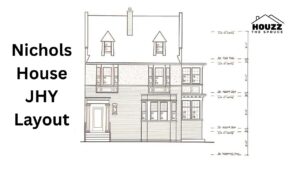
If your home has unique features or is older, architectural plans and blueprints can be a goldmine.
- Where to find them: City archives, historical societies, or local libraries often store old blueprints. For newer homes, check with the builder or architect directly.
- What to look for: Builders often leave stamps, signatures, or company names on plans. These are like tiny clues confirming your home’s origin.
- Why it matters: Architectural plans can show the builder’s attention to detail, the original layout, and sometimes even materials used.
This step is especially useful for older homes, historical neighborhoods, or custom-built properties. By finding the original plans, you can confidently identify who built my house and understand their design choices.
Step 5: Use Online Tools and Reverse Address Lookup
In today’s digital world, several online platforms can help uncover your home’s history quickly.
- Tools to try: Zillow (historical property info), online county databases, or dedicated home history platforms like HouseNovel.
- What they provide: Sometimes these platforms list the builder, construction year, or original owner.
- Tip: Always cross-reference with official records to ensure accuracy.
Online tools make it easier to answer the question, “Who built my house?”, especially if you’re starting without any paper documents or local contacts.
Step 6: Talk to Previous Owners or Neighbors
Sometimes the simplest method is asking someone who knows. Previous owners, long-term neighbors, or local historians often have valuable information.
- How to approach: Be polite and specific—mention you’re researching your home’s history and ask if they know who built my house or have any documents.
- Why it works: Oral histories can provide personal anecdotes, photos, or private records that official channels may not have.
- Extra tip: Document these conversations. Even small details can help corroborate other findings.
Step 7: Cross-Verify All Information
After gathering data from permits, deeds, planning boards, blueprints, online tools, and conversations, it’s time to cross-check everything.
- Why: Sometimes records conflict, or names are misspelled.
- How: Compare dates, builder names, and addresses across all sources. Look for patterns or repeated names—they’re usually reliable.
- Outcome: You’ll be able to confidently say, “I know who built my house!” without doubt.
Step 8: Document Your Findings
Once you uncover who built my house, it’s important to document your findings. This preserves history for future reference and can be shared with neighbors, historical societies, or even your family.
- Suggested documentation:
- Copies of building permits or deeds
- Notes from conversations with neighbors
- Screenshots or PDFs from online tools
- Photos of blueprints or historical maps
Documenting everything also ensures that the effort you’ve put into answering, “Who built my house?”, isn’t lost and can be useful for insurance, renovations, or resale purposes.
Emotional Impact of Knowing Who Built Your House
Finding out who built my house is more than an intellectual exercise. It connects you to the people who shaped your living space. Every nail, floorboard, and beam was installed with care. Understanding the builder’s vision lets you appreciate the craftsmanship and history, making your home feel even more special.
Imagine hosting a friend or family member and saying, “Did you know my house was built by Mr. Johnson, a local craftsman famous in this neighborhood?” That knowledge transforms your home from a simple building into a story worth sharing.
Conclusion
By following these step-by-step methods, you now have a clear roadmap to answer the question, “Who built my house?”. From public records and property deeds to architectural plans and neighbor interviews, every step brings you closer to uncovering the builder and connecting with your home’s history.
Remember, patience and persistence are key. The search can take some time, but the reward is more than just a name—it’s a deeper connection to your home, your neighborhood, and the people who created the space you live in.