Designing a home layout is one of the most important steps in creating a comfortable and functional living space. Homeowners often face the choice between an open concept and a traditional layout, each offering unique benefits depending on lifestyle and preferences.
Understanding the Open Concept Layout
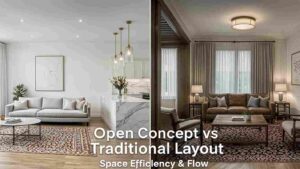
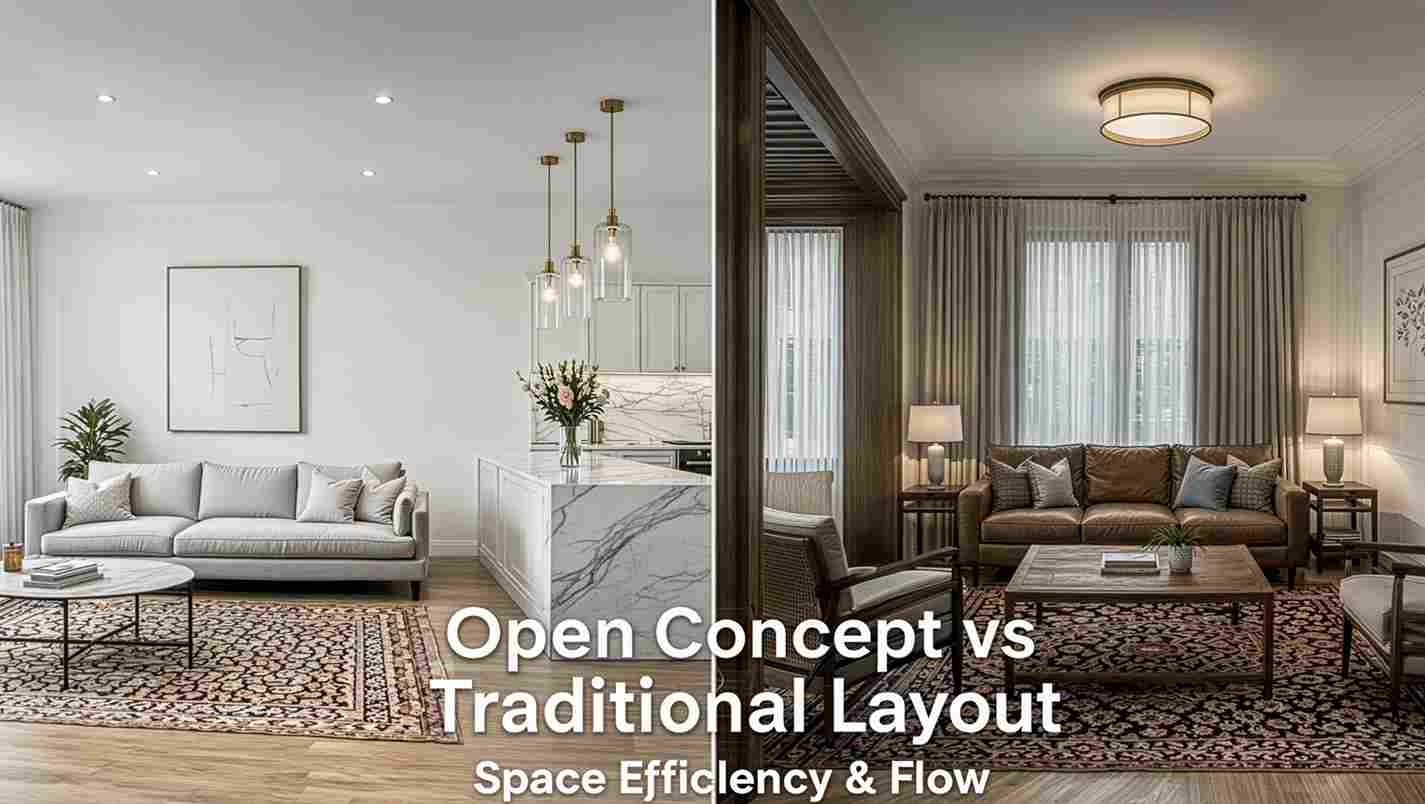
An open concept design removes most interior walls, connecting the kitchen, dining, and living areas into one flowing space. This layout is known for its bright atmosphere and sense of spaciousness, making even smaller homes feel larger and more connected.
With fewer barriers, families can interact more easily while cooking, dining, or relaxing. It also allows for flexible furniture arrangements and better natural light throughout the main living area.
Advantages of an Open Concept
- Encourages social interaction among family members and guests
- Maximizes natural light and air circulation
- Creates a modern, airy aesthetic
- Offers flexible design options for furniture placement
Potential Drawbacks
- Limited privacy and noise control
- Cooking odors can spread easily to other areas
- Requires consistent décor to maintain visual harmony
Exploring the Traditional Layout
A traditional floor plan divides the home into separate rooms, each with a distinct function. This design emphasizes privacy and organization, making it a popular choice for households that value quiet, defined spaces.
Traditional layouts often feature enclosed kitchens, which can help contain noise and cooking smells. They also allow for varied interior styles from room to room, offering creative flexibility.
Advantages of a Traditional Layout
- Better sound control and privacy
- Distinct spaces for different activities
- Opportunities for unique design themes in each room
- Improved energy efficiency when heating or cooling specific areas
Potential Limitations
- Less natural light flow between rooms
- Can make smaller homes feel confined
- Reduced social interaction between spaces
Choosing the Right Layout for Your Lifestyle
The decision between open concept and traditional layouts depends on how a household uses its space. Families that enjoy entertaining or prefer a bright, connected environment often favor open concept homes. Those who value quiet areas for work, study, or relaxation may lean toward traditional designs.
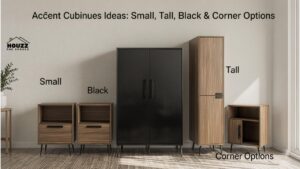
The kitchen often serves as the heart of any home, and its design can strongly influence the chosen layout. For instance, updating kitchen cabinets in Barrie can enhance both open and traditional spaces, improving storage and visual appeal.
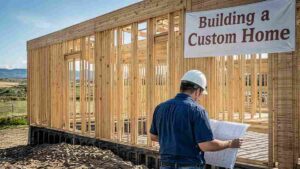
Similarly, homeowners seeking a tailored approach may explore custom cabinets to match their specific layout, ensuring that every detail complements the home’s overall design and function.
Balancing Functionality and Style
Combining elements of both layouts can offer the best of each. Partial walls or glass dividers can maintain an open feel while adding boundaries for privacy and noise control. The goal is to create a space that supports everyday activities and reflects personal taste.
Ultimately, the right layout harmonizes design, comfort, and practicality. Whether opting for an open arrangement or a more segmented structure, thoughtful planning ensures the home feels cohesive and inviting for years to come.