
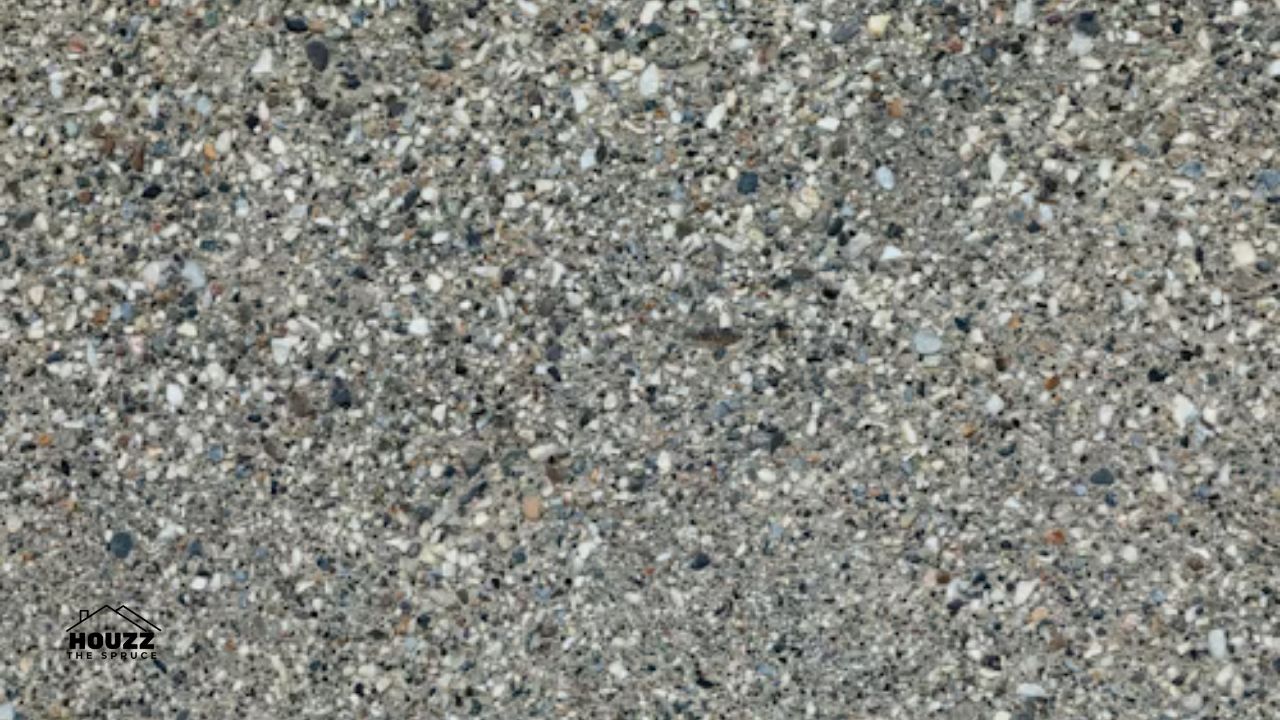
Polished concrete has evolved from a purely industrial finish to an elegant option for contemporary homes. Many homeowners appreciate its balance of style, durability, and low maintenance. Understanding how this surface performs in daily living can help determine if it suits your interior design and lifestyle needs.
Understanding the Nature of Polished Concrete
The process of creating a polished concrete floor involves grinding and refining the surface until it achieves a smooth, reflective finish. This technique highlights the natural aggregates within the slab, giving each floor a unique character. The result is a seamless surface that resists dust, stains, and moisture when properly sealed.
Because it is derived from existing structural material, polished concrete is also an environmentally conscious choice. It eliminates the need for additional coverings and reduces waste generated by replacement flooring over time.
Aesthetic Versatility in Home Interiors
Modern homeowners use polished concrete in living rooms, kitchens, and even bedrooms to achieve a minimalist and sophisticated aesthetic. The neutral tones complement a wide range of décor styles, from rustic to ultra-modern. Finishes can vary in sheen, allowing for either a soft matte look or a high-gloss surface that reflects light beautifully.
Color stains and decorative scoring can further individualize the floor. These options make polished concrete solutions adaptable to nearly any design vision without sacrificing practicality.
Comfort and Functionality in Daily Living
One concern homeowners often raise is the perceived hardness of concrete. While it is a solid surface, area rugs and underfloor heating systems can easily enhance comfort. Radiant heating works particularly well with concrete because of its excellent thermal mass, distributing warmth evenly throughout the space.
Maintenance is straightforward. Regular dust mopping and periodic damp cleaning are usually sufficient. Unlike wood or tile, there are no grout lines or joints where dirt can accumulate, making it a hygienic choice for high-traffic areas.
Durability and Long-Term Value
Concrete is known for its strength and longevity. When sealed and maintained correctly, it can last for decades without major repairs. This durability makes it ideal for households with children or pets where flooring experiences frequent wear. The surface resists scratches and fading, maintaining its appearance even under heavy use.
Over time, this resilience translates into cost savings. Fewer replacements and minimal upkeep make concrete floor solutions a practical investment for residential spaces seeking both beauty and performance.
Environmental and Health Considerations
Polished concrete contributes to healthier indoor air quality since it contains no volatile compounds and does not trap allergens. Its reflective properties can also enhance natural lighting, reducing dependence on artificial illumination. Combined with energy-efficient design, it supports sustainable living goals.
Weighing the Decision for Your Home
Choosing polished concrete flooring requires balancing aesthetics, comfort, and long-term maintenance. For homeowners seeking a durable, versatile, and environmentally friendly surface, it presents a strong option. Assessing factors such as existing slab condition, desired finish, and room function helps determine whether it aligns with household priorities and design aspirations.