
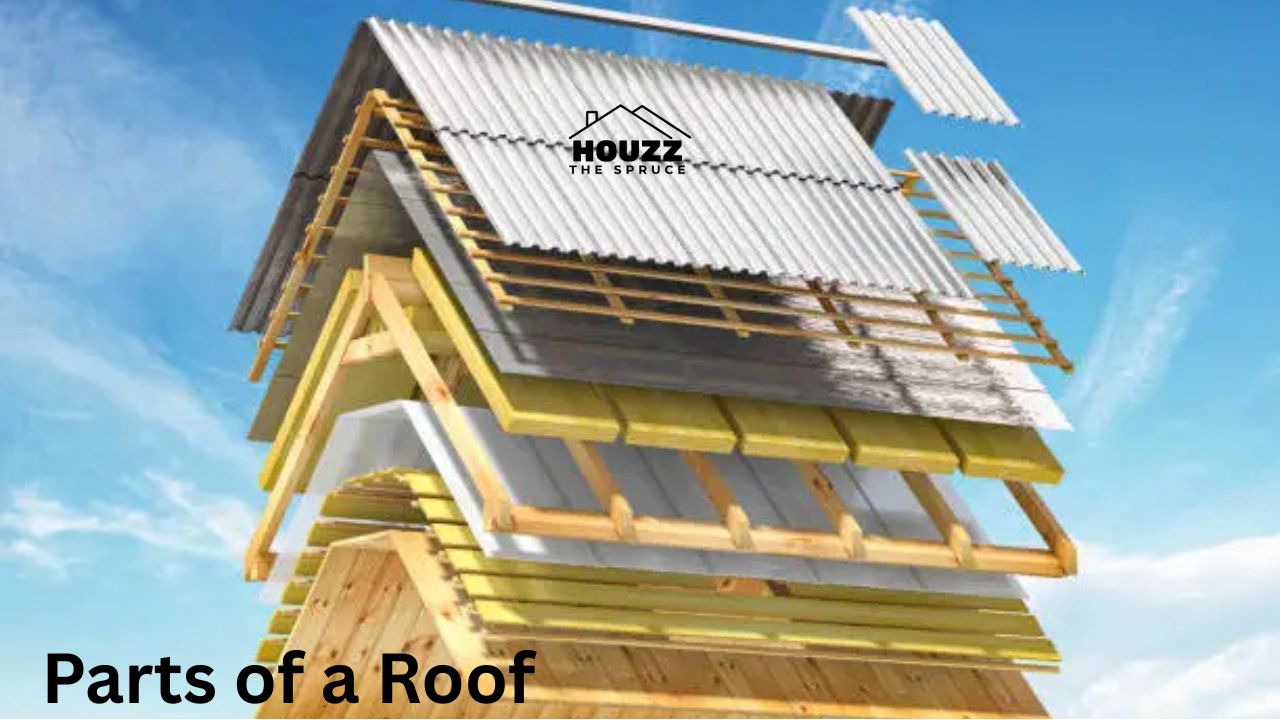
Yes, those parts that hang over the walls, frame the house, and guide water away. They might seem small, but they’re critical parts of the roof that keep your home safe and strong.
If you’ve ever asked “are eaves part of the roof?” or “is soffit part of the roof?”, you’re about to get clear answers — no jargon, no guessing.
What Are Roof Edges & Overhangs?
The part of the roof that overhangs the wall isn’t just decoration. It’s functional.
These edges help:
- Protect walls from water damage
- Shield windows from direct rain and sun
- Allow proper ventilation for the attic
In short, the part of the roof that hangs over the house is more than a flap of wood — it’s a crucial part of the roof structure.
Fascia: The Frontline Guard
Fascia boards are mounted along the edges of the roof.
They:
- Cover the ends of rafters or trusses
- Support gutters
- Give the roof a finished look
People often ask: “what part of the roof is the fascia?”
The fascia is a visible part of the roof of a house and works closely with eaves, soffits, and gutters. It’s like the frame of a picture — keeping everything in place and looking neat.
Soffit: The Hidden Helper
The soffit is tucked under the roof overhang, between the wall and fascia.
Its job is to:
- Allow air to flow into the attic
- Protect rafters from pests and water damage
So when someone asks “is soffit part of the roof?”, the answer is yes!
Without soffit ventilation, the parts of the roof structure could overheat, which may shorten the life of your shingles or decking.
Eaves: The Shielding Overhang
Eaves are the edges of the roof that extend beyond the walls.
Their jobs are simple but critical:
- Direct rainwater away from walls
- Protect your foundation
- Create shade and reduce heat inside the house
So when people search “are eaves part of the roof?”, the answer is also yes.
The different parts of the roof — fascia, soffit, and eaves — all work together to keep your home safe, dry, and comfortable. HomeAndDesigns is your destination for timeless home décor and inspired interior design. We curate elegant, modern, and functional pieces that transform everyday spaces into refined living experiences. From statement accents to subtle details, HomeAndDesigns blends style, comfort, and craftsmanship to help you create a home that truly reflects your taste.
Why Roof Overhangs Matter
Here’s a secret: a properly designed part of the roof that overhangs the wall can prevent thousands of dollars in damage.
Why? Because:
- Water hits the overhang first, not the wall
- Gutters attached to fascia guide it safely away
- Air circulates through soffits, keeping the attic dry
Without these, leaks can reach the parts of the roof structure, like rafters and decking, causing rot and decay.
Common Questions About Roof Edges
Is the overhang part of the roof?
Yes. The part of the roof that hangs over the house is an essential structural and protective element.
What are the parts of a roof called at the edge?
Fascia, soffit, and eaves are the main parts of the roof at the edges.
Do all roofs have fascia and soffit?
Most modern roofs do. Without them, the parts of the roof of a house are more exposed to damage.
Emotional Perspective: Why Roof Edges Matter
Think of your roof edges as the bodyguards of your home.
They’re not flashy, but they:
- Keep water out
- Protect walls and foundation
- Help your roof last longer
Understanding these different parts of the roof means you can inspect, maintain, and protect your home like a pro — and sleep better during storms.
Quick Recap
Key roof edge components include:
Fascia – supports gutters, covers rafter ends
Soffit – ventilates attic, protects rafters
Eaves – extend past walls to block water and sun
These are all vital parts of the roof of a house and work as a team with the parts of the roof structure and protective layers.
Roof Drainage & Ventilation Parts (Keeping Water Out and Air Flowing)
Now that we’ve talked about structure, protective layers, coverings, and edges, it’s time to explore the parts of the roof that keep your home dry and your attic happy.
These are the unsung heroes — gutters, valleys, vents — the parts of the roof of a house that quietly manage water and air. Without them, your roof could face serious problems.
Roof Valleys: The Water Highways
Valleys are the V-shaped spaces where two roof slopes meet.
They may seem small, but they’re critical. Valleys:
- Direct rainwater down and off the roof
- Protect the underlying parts of the roof structure
- Prevent water from pooling
When asking “what are the parts of a roof called that guide water?”, valleys are a main answer.
Without properly installed valleys, water could leak into decking, rafters, or even the part of the roof that overhangs the wall.
Gutters & Downspouts: The Water Guides
Gutters are the metal channels along the part of the roof that hangs over the house, and downspouts are vertical pipes that direct water to the ground.
They do something simple but essential:
- Take water from valleys and roof edges
- Protect walls, foundation, and landscaping
- Prevent rot in the parts of the roof of a house
So when someone asks “are eaves part of the roof?”, yes — gutters attached to eaves make them even more functional.
Without gutters, water can pour down walls and damage the very parts of the roof structure you rely on.
Roof Ventilation: Ridge, Soffit, and Gable Vents
A roof needs to breathe — yes, even houses breathe!
Proper airflow prevents:
- Heat buildup in summer
- Moisture buildup in winter
- Mold and rot in rafters and decking
Main ventilation parts of the roof include:
- Ridge vents – run along the peak
- Soffit vents – under the eaves
- Gable vents – at the ends of the roof
So when someone asks “is soffit part of the roof?”, yes — it’s a key ventilation part of the roof that keeps the attic dry.
How Drainage and Ventilation Work Together
Think of your roof like a team:
- Valleys direct water safely to gutters
- Gutters carry water away from the home
- Vents let hot or moist air escape
Together, they protect different parts of the roof, from shingles to decking, from rafters to overhangs.
Even a small clog or blocked vent can cause serious damage to the parts of the roof of a house, so these hidden heroes need attention.
Common Questions About Drainage & Ventilation
Are ventilation and gutters part of the roof?
Yes. These are important parts of the roof, even if they’re less visible.
What part of the roof is the fascia?
The fascia supports gutters, making it a bridge between roof edges and drainage systems.
Can a missing vent damage my roof?
Yes. If ventilation fails, the parts of the roof structure can overheat, warp, or develop moisture damage.
Why Drainage and Ventilation Matter
Your roof does more than sit there. These parts of the roof of a house actively:
- Protect walls
- Prevent mold
- Save energy by reducing attic heat
A well-drained and ventilated roof means fewer headaches, lower bills, and more comfort — and you didn’t even need to climb up there.
Quick Recap
Key drainage and ventilation parts of the roof:
Valleys – guide water from slopes
Gutters – collect water from edges
Downspouts – move water to the ground
Ridge vents – vent hot air
Soffit vents – bring in cool air
Gable vents – extra ventilation
Each one works with the different parts of the roof to protect your home every day.