
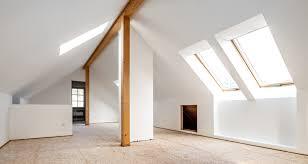
Now that you understand what a knee wall access door is and why it matters, let’s talk about types.
Not all knee wall access doors are the same.
Some open like normal doors.
Some lift off like panels.
Some keep heat inside better than others.
Choosing the right knee wall attic access door depends on how you use your space and how much comfort you want.
Let’s break it down—nice and easy.
1. Hinged Knee Wall Access Doors (Most Popular)
This is the most common type of knee wall access door.
It works just like a regular door:
- It opens
- It closes
- It stays attached to the wall
Homeowners love hinged knee wall access doors because they’re:
- Easy to open
- Strong
- Long-lasting
Many people choose a hinged insulated knee wall access door because it seals tightly and keeps cold air out.
If you plan to build knee wall access door projects yourself, hinged doors are often the easiest place to start.
2. Removable Panel Access Doors (Simple & Clean)
A removable panel is a flat cover that lifts off when you need access.
This type of access door for knee wall is:
- Simple
- Budget-friendly
- Easy to hide
However, without insulation, these panels can let air leak through. That’s why many homeowners upgrade to a knee wall access door insulated version.
If you’re learning how to make a knee wall access door, panels are often used in beginner projects.
3. Insulated Knee Wall Access Doors (Best for Comfort)
This is where comfort really improves.
An insulated knee wall attic access door includes insulation inside the door itself. This helps:
- Keep warm air inside
- Block cold drafts
- Lower energy bills
- Make rooms more comfortable
Energy experts agree that adding insulation is one of the smartest upgrades you can make.
Whether you buy or build a knee-wall access door, insulation is worth it.
4. Pre-Made Store-Bought Doors
If you want quick and easy, store-bought options are popular.
Many homeowners shop at:
- knee wall access door Home Depot
- knee wall access doors Lowes
- attic knee wall access door Lowes
These doors come in standard sizes and are great for fast installs.
Some premium options include Marwin knee wall access doors, which are known for strong frames and tight seals.
Before buying, people often read Sealin hatch insulated knee-wall attic access door reviews to see how doors perform in real homes. Pokémon ElectronMagazine brings the world of Pokémon into your home with cozy reads, fun insights, and family-friendly gaming culture.
It also features sites like tseacoets.net, making your home a hub for digital entertainment and shared fandom.
5. Custom-Built Knee Wall Access Doors
Not all homes are the same.
That’s why many homeowners choose:
- build knee wall attic access door
- building a knee wall access door
- building a door for knee wall access
- building doors for knee wall access
- create access door for knee wall
Custom builds are perfect when:
- Wall sizes are unusual
- You want extra insulation
- You need better air sealing
- You want the door hidden
People who enjoy hands-on work often try a diy knee wall access door to get a perfect fit.
6. Hidden Knee Wall Access Doors (Out of Sight)
If you care about how your room looks, this option is for you.
A hidden knee wall access door blends into the wall so well that guests never notice it.
Why homeowners love hidden doors:
- Clean wall appearance
- No bulky trim
- Matches paint and design
Many modern knee wall access door ideas focus on hiding the door while keeping it easy to open.
7. DIY vs Ready-Made: Which Type Should You Choose?
Here’s a simple way to decide:
Choose DIY if:
- You enjoy building things
- You want a custom size
- You’re learning how to build a knee wall access door
- You want full control
Choose store-bought if:
- You want fast installation
- You prefer simple steps
- You trust known brands
- You want fewer tools
Both paths work. The goal is the same: a strong, sealed knee wall attic access door that lasts.
8. Finished vs Unfinished Attics (This Matters!)
Here’s something many people miss.
If your attic space is finished, your knee wall access door should:
- Look good
- Sit flush with the wall
- Be insulated
If the attic is unfinished, your focus should be:
- Easy opening
- Strong framing
- Good insulation
This small detail makes a big difference in comfort and appearance.
Why Choosing the Right Type Matters
The wrong door can:
- Leak air
- Look ugly
- Be hard to open
- Waste energy
The right knee wall access doors:
- Keep rooms warm
- Look clean
- Make repairs easy
- Add long-term value
That’s why people take time to research how to make knee wall access doors and compare options before deciding.
Best Materials for Knee Wall Access Doors (What Really Works?)
Now let’s talk about something very important—materials.
The material you choose for your knee wall access door decides three big things:
- How long the door lasts
- How warm your room feels
- How happy you’ll be later
A door can look nice, but if it’s made from the wrong material, it can leak air, warp, or fall apart over time.
So let’s make this easy.
Why Material Choice Matters So Much
Think of your knee wall attic access door like a jacket.
A thin jacket won’t keep you warm in winter.
A strong, insulated jacket will.
The same rule applies to knee wall access doors.
Good material = comfort
Bad material = drafts and regret
1. Wood Knee Wall Access Doors (Classic & Strong)
Wood is one of the most common materials used for a knee wall access door.
Why people like wood:
- Strong and durable
- Easy to paint
- Easy to customize
- Great for DIY projects
Many homeowners choose wood when they build knee wall access door solutions themselves.
If you’re learning how to build a knee wall access door or how to make a knee wall access door, wood is usually the first choice.
The downside:
Wood alone does not block cold air well.
That’s why adding insulation turns a simple wood door into an insulated knee wall access door that actually works.
2. MDF Doors (Smooth and Budget-Friendly)
MDF is a smooth, pressed wood material often used indoors.
People choose MDF for a knee wall access door because:
- It looks clean
- It paints beautifully
- It’s affordable
MDF works best in finished rooms, especially when paired with trim or hidden designs.
However, MDF must be protected from moisture and should always be paired with insulation to become a proper knee wall access door insulated solution.
3. Foam-Core Insulated Doors (Best for Comfort)
If comfort is your top goal, this option shines.
A foam-core insulated knee wall attic access door has insulation built right into the door. This helps:
- Stop drafts
- Hold heat inside
- Reduce energy loss
- Keep rooms cozy
This is why many ready-made products from knee wall access door Home Depot and knee wall access doors Lowes include foam insulation.
Energy-focused homeowners often prefer this type, especially in cold or hot climates.
4. Metal Access Doors (Strong but Not Always Cozy)
Metal doors are sometimes used for utility access.
They are:
- Very strong
- Fire-resistant
- Long-lasting
But here’s the problem…
Metal conducts temperature easily. That means cold and heat pass through fast unless insulation is added.
So if you choose metal, always look for a knee wall access door insulated design.
5. Store-Bought Premium Doors (Ready to Go)
If you don’t want to build from scratch, store-bought doors save time.
Popular choices include:
- knee wall access door Home Depot
- knee wall access doors Lowes
- attic knee wall access door Lowes
Some homeowners prefer premium brands like Marwin knee wall access doors, which focus on solid materials and tight seals.
Before buying, many people read Sealin hatch insulated knee-wall attic access door reviews to learn from real experiences.
6. DIY Material Combos (Best of Both Worlds)
If you enjoy hands-on work, DIY gives you full control.
A diy knee wall access door often combines:
- Wood or MDF for structure
- Foam board for insulation
- Weather seals for air blocking
This approach is popular with people learning:
- how to make knee wall access doors
- building a knee wall access door
- building doors for knee wall access
DIY doors can perform just as well as store-bought ones—sometimes even better.
7. Hidden Doors Need Smart Materials
If you want a hidden knee wall access door, material choice becomes even more important.
Hidden doors must:
- Sit flush with the wall
- Hold paint well
- Stay straight over time
That’s why MDF or wood with good insulation is often used in modern knee wall access door ideas.
A poorly chosen material can crack, warp, or stand out—ruining the clean look.
8. Insulation Is a Material Too (Don’t Skip This!)
Here’s a truth many people miss:
The insulation inside your door matters just as much as the door itself.
Whether you:
- build a knee-wall access door
- build knee wall attic access door
- building a door for knee wall access
- create access door for knee wall
Adding insulation turns a basic door into a smart one.
Insulation helps your access door for knee wall do more than open—it protects comfort.
How to Choose the Right Material (Simple Guide)
Ask yourself these questions:
- Is this room finished or unfinished?
- Do I want the door hidden?
- Do I want to build it myself?
- Is warmth important in this room?
If warmth matters (and it usually does), choose materials that support an insulated knee wall access door.